Offshore Wind Maintenance. Why the Access Strategy Is as Important as the Work Itself
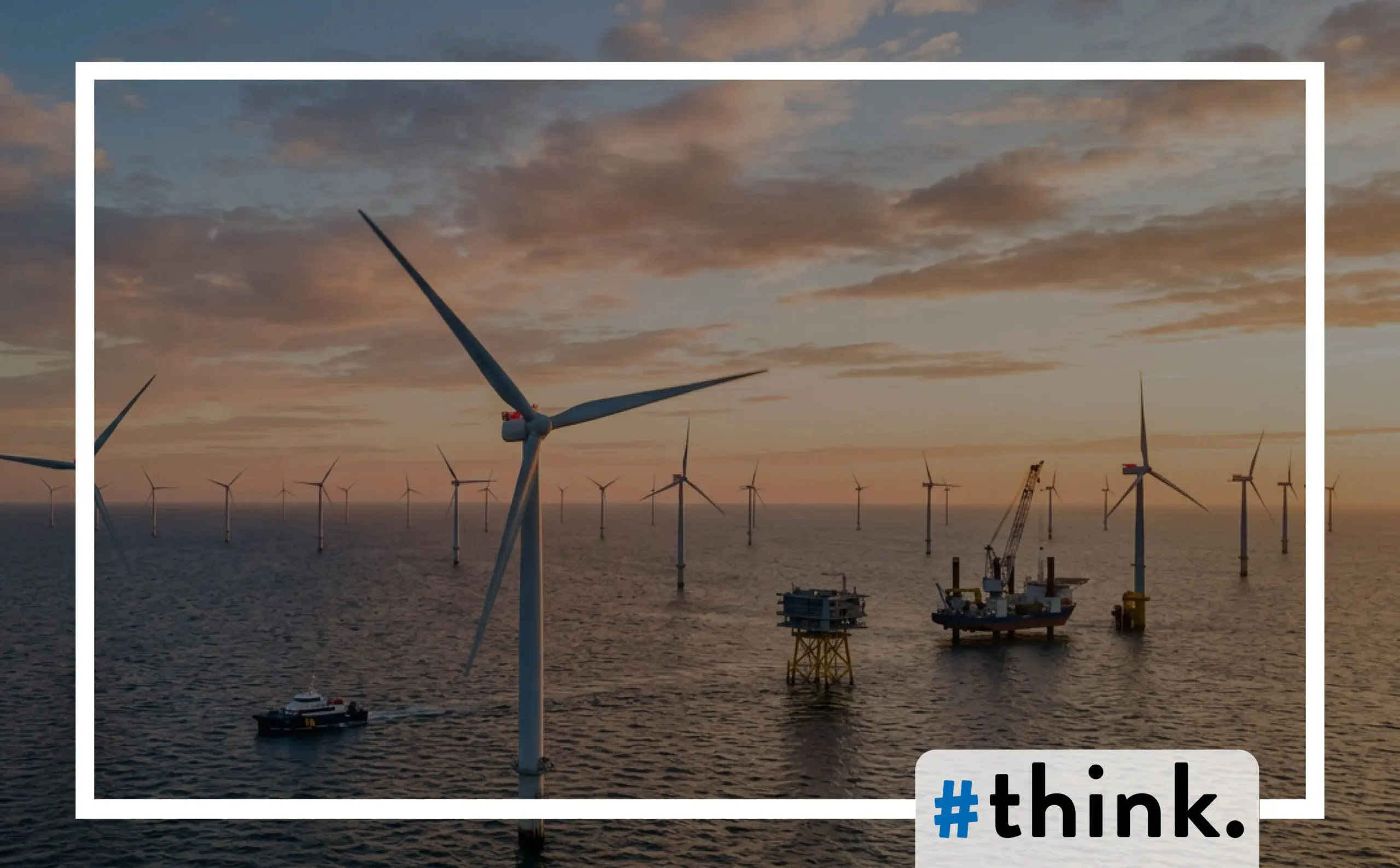
The UK’s offshore wind sector has grown at a remarkable pace. With over 14 gigawatts of installed capacity and a pipeline of projects that will significantly expand that figure over the coming decade, offshore wind is now a critical component of the country’s energy infrastructure. But with that scale comes a maintenance challenge that is unlike almost any other industrial environment.
Turbines positioned miles offshore, exposed to salt spray, high winds, and relentless operational cycling, require regular inspection and maintenance to remain reliable. And the question of how to carry out that work safely, cost-effectively, and with minimal impact on energy generation is one that the industry is still refining.
The scale of the challenge
A modern offshore wind turbine sits on a tower that can exceed 100 metres in height, topped by a nacelle and three blades with a swept diameter that may exceed 200 metres. The tower, transition piece, and foundation are continuously exposed to the marine environment. The blades critical, complex, and enormously expensive are subject to leading-edge erosion, lightning strike damage, surface coating breakdown, and structural fatigue.
Maintaining these assets requires access to locations that are, by definition, remote, elevated, and environmentally hostile. The planning and logistics involved in getting the right people, with the right equipment, to the right place on an offshore structure is a significant undertaking in its own right.
Sources: DESNZ, IRENA, GWEC — figures correct as of 2025
Why access planning matters as much as the technical work
In an onshore environment, the consequences of a poor access strategy are usually limited to inefficiency, delay, and additional cost. Offshore, the consequences are more serious. Weather windows are finite and unpredictable. Vessel time is expensive. If an access method fails, or a team arrives on-site without the right equipment for the conditions they encounter, the window may close before the work is complete and the next opportunity may be weeks away.
This is why operators and Tier 1 contractors increasingly require their industrial services partners to demonstrate not just technical competence but genuine access planning capability. The ability to select the right method for each task rope access, confined space entry, elevated work platforms, or a combination and to have contingency plans ready for changing conditions, is what separates capable contractors from exceptional ones.
Rope access in the offshore wind environment
Select a zone on the turbine to see maintenance details
Select a numbered zone on the turbine diagram to see maintenance tasks and access methods for that area.
Rope access has become an increasingly important tool in offshore wind maintenance, particularly for:
Blade inspection and repair. Trained rope access technicians can descend blades from the hub, carrying out close visual inspection, leading-edge erosion assessment, and surface repair work. For many tasks, this is faster and more cost-effective than crane-assisted platforms.
Tower and transition piece inspection. Internal and external inspections of the tower structure, weld assessments, and corrosion surveys are well suited to rope access techniques.
Coating maintenance. Surface coating breakdown on towers and transition pieces allows the marine environment direct access to structural steel. Rope access enables targeted surface preparation and recoating work without the need for full scaffold structures.
Confined space entry. Monopile foundations and transition pieces often contain confined spaces requiring inspection. Rope access operatives with confined space competencies can carry out this work as part of the same deployment.
Access method selector
Select a task type and turbine zone to get the recommended access method and key considerations
Working with the right partner
The offshore wind sector demands contractors who hold appropriate offshore certifications (GWO as a baseline), understand the specific hazards of the marine environment, and have genuine experience of working within the operational constraints of offshore assets. Equally important is the ability to integrate multiple disciplines access, inspection, coatings, and cladding within a single mobilisation, minimising the number of offshore visits required and reducing overall maintenance cost.
Think Industrial Services works across the offshore wind sector, delivering integrated access and maintenance solutions from initial survey through to project completion. Our teams hold relevant offshore and rope access certifications, and our in-house management platform provides real-time visibility of works progress, documentation, and compliance records.
Speak to our team about your upcoming offshore wind maintenance requirements.